Tuesday, September 14, 2010

Day 2: The Oracle of Delphi


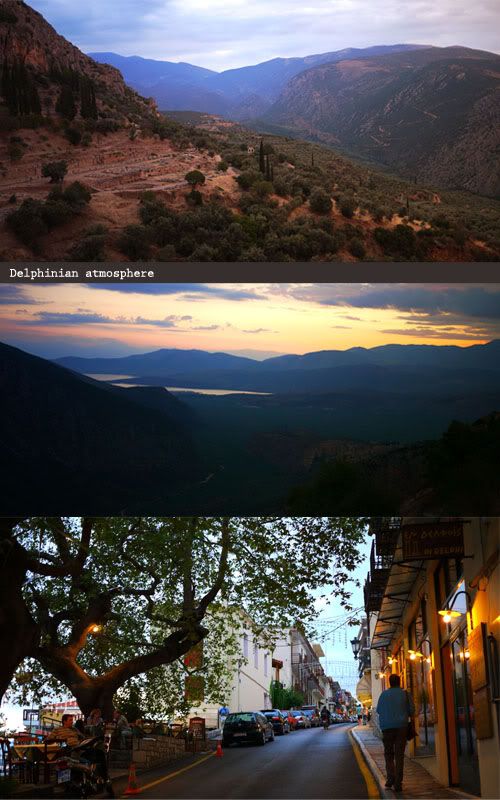
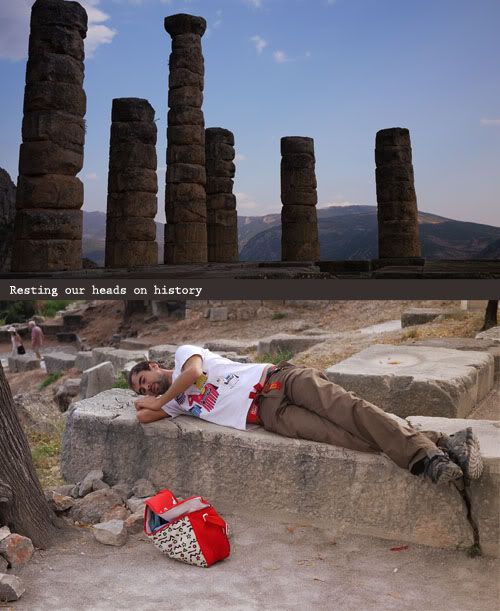
First day in Delphi, first taste of ancient Greece. Walking from the little town towards the ruins features a most excellent perspective of the land from high up the mountains. It was nothing like what I expected it to be, but thats normal I guess, it was much much more. The ancient ruins sit facing a grand valley almost covered entirely with olive trees, which while passing by them on our way up, looked quite ancient as well.
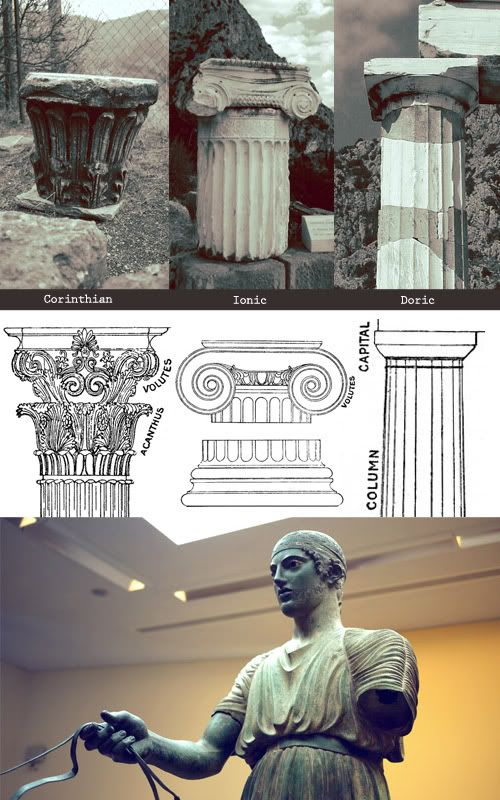

We saw The Charioteer, the most acclaimed piece of sculpture according to the guide who spoke in such a slow yet loud manner, enunciating in such a way that reminded you of Discovery Channel documentaries. I think The Charioteer has really nice eyelashes, yes - he has eyelashes made of bronze and inlaid eyes that pierced through you.
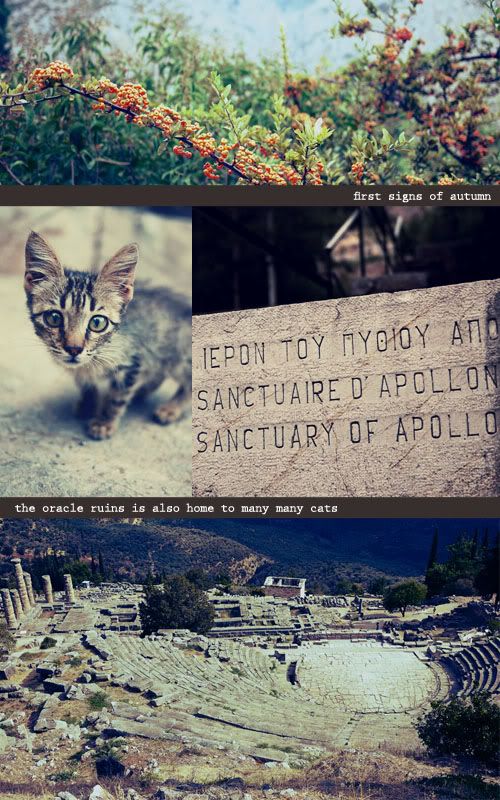

My biggest curiosity in Delphi was the Oracle and unfortunately there weren't many answers for me on site. The locals knew few or just the very basics of its history, perhaps it was too hocus-pokus to retain in their memory. I did some research anyway and discovered that Apollo, the main god-boss of this region, defeated the serpent Python, a son of Gaea (earth mother goddess, the first object of worship before Apollo) who was said to rule over the land and by doing so, buried its remains under the ground. A crack in the mountain, where the dead Python lay, released some hallucinogenic fumes that made the Oracle speak.

Interestingly the symbol of the Python or snake used to be linked to wisdom. Take the ouroboros symbol of the snake eating its own tail, for example, and how it symbolized the endless cycle of birth, death, and rebirth - constant renewal. In fact, the Caduceus, or the symbol for medicine and commerce reveals the serpent as well. Whats curious is how these symbols have evolved over history as Christianity began and replaced pagan beliefs and changed the meanings of symbols like the serpent into the devil. Being raised Catholic, I often notice pictures of the Virgin Mary stepping on the snake, the famous one who tricked Eve into biting into the forbidden apple of truth.

In the ancient ruins near the temple of Apollo is also the omphalos, or the navel of earth. The word Delphi also comes from two distinct greek words meaning "hollow" and "womb". Apollo himself was also known as Delphinio, or the Delphinian, "One from the Womb". Already a link is established between the former worship to Gaea, the mother goddess, the womb to which all life is born.

There is so much more to be explored as more and more links are established the more we discover and learn. Stay tuned.
Monday, September 13, 2010

Day 1: Arrival to Patras

24 hours of ferry is taking its tall on our necks. Slept maybe 2-3 hours, maybe just excited, had a tea and witnessed the first stop to Higoumenitsa around 6:30am, just in time for the sunrise.


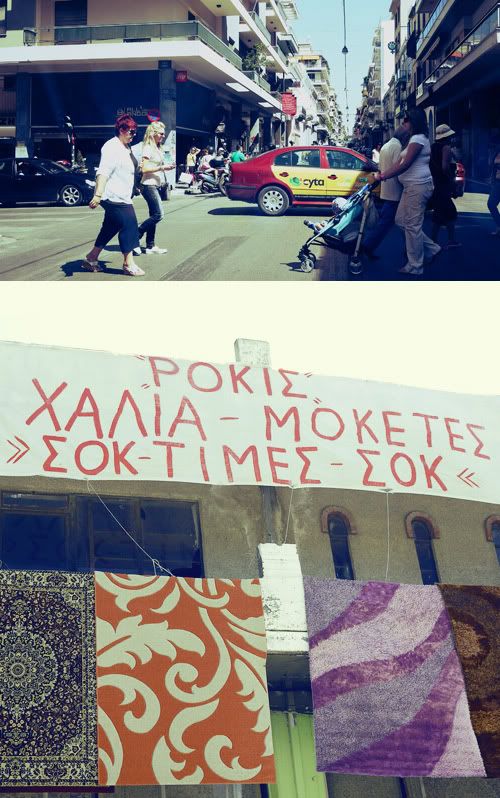
Off we go from the boat to the road. The first signs in foreign alphabet made it clear that this is somewhere else indeed. Narrow busy streets, pedestrians walking, talking, and people on motorbikes without helmets zooming past. Feels like home.


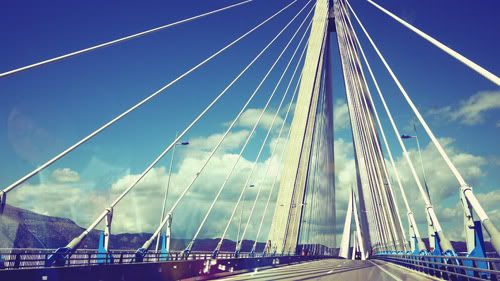
After this brief introduction we enter the tollgate for this humongous bridge, completely unprepared for the price of €12.20. "What if you had to pick something up from the other side and you had to come back?", Fra wonders out loud. Its a sure sign of times-a-changin'.


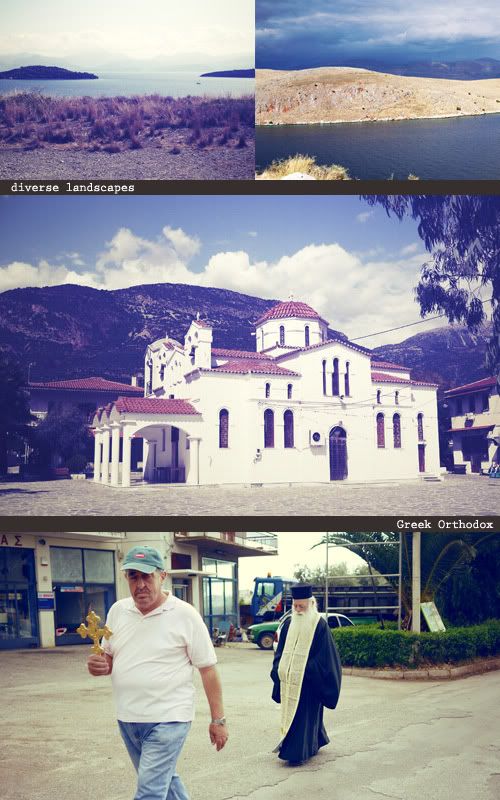
Its probably safe to assume that driving from Patras to Delphi exposed the various landscapes and nature of Greece. Its amazing how immensely diverse it is. Some parts are completely bare and rocky and other parts are completely lush with pine trees all huddled together in a forrest-y mass.

Sunday, September 12, 2010

Day 0: Ankon to Patras


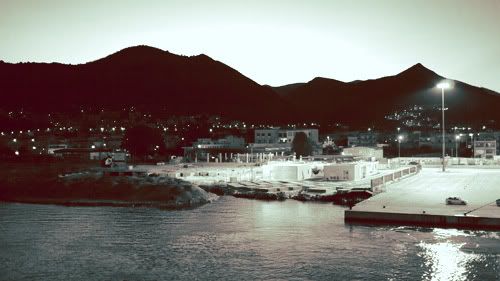
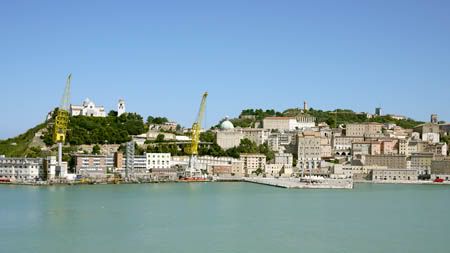
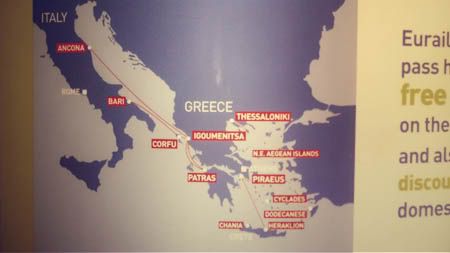
Today we left from the port of Ancona, Italy, to Patras, Greece. First stop in Higoumenitsa, at the very north bordering with Albania, where our friends Laurentiu and Iuliana get off for some well-deserved vacation. It's a Balcanic scenery awaiting us: narrow streets and mountains of rock, the bay embracing entire towns like a lake. It's a sunny day, at least we made it half way with no problem. 24 hours of ferry takes us finally to the port of Patras where we set off for Delphi. The weather gets gloomy, it reminds a bit of Ancona ('ankon' in greek means 'elbow'), ancient Doric town that happens to be my hometown. The only Greek place in a region made of the Piceni, the local, short and loyal people that inhabited Marche. Ancona was founded a bit after Plato's stay in Syracuse, first as guest, then as a slave. Some people back then left their wealthy city to go explore more to the north. They were Greeks, just as the people we met today. We cannot say the same thing about italians, such a young people compared to its ancestors: roman, etrurian, celt or any people living in Italy when this was not even a nation.
The Greeks instead feel strongly about their national identity, the language did change, but the name stayed the same: Greeks.
We're finally on land and the limit already shows itself: if you don't know the islands, you don't know Greece. And that takes a lifetime, from Cyprus to Corfù, through Ithaca and Samotrakia, it would take a real Ulysses to claim rights over Greece.

Wednesday, September 8, 2010

Step 1 - Shoot


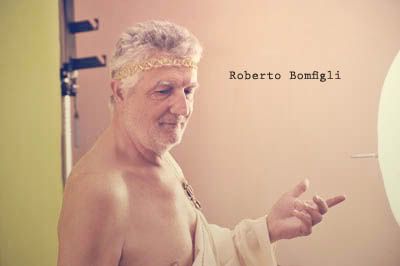
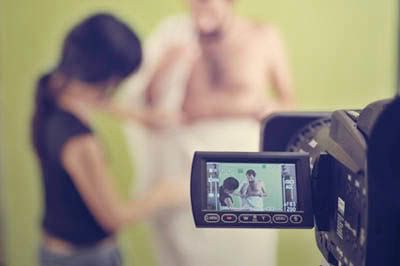
Photography by Roberto Bomfigli

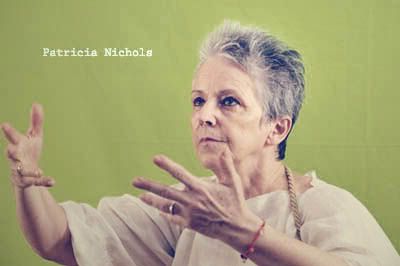
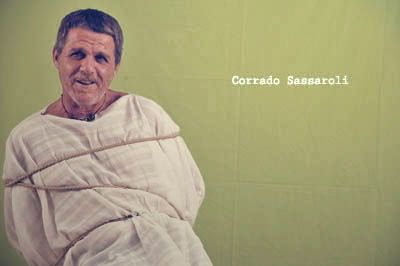
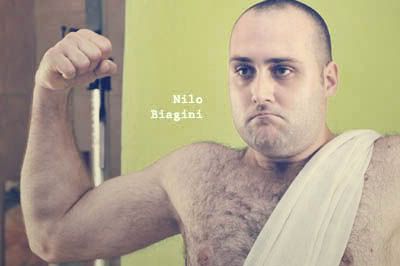
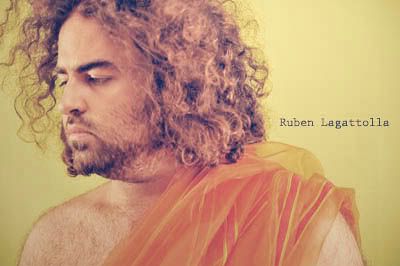
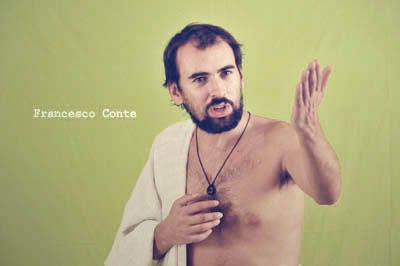
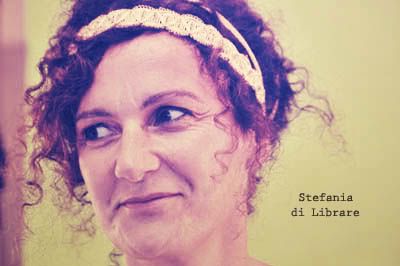
This has to be one of the most interesting shoots I've been in. Just thinking about the various backgrounds of each individual, who, by the way, aren't professional actors at all, made it quite atopic. It was fun.

What:
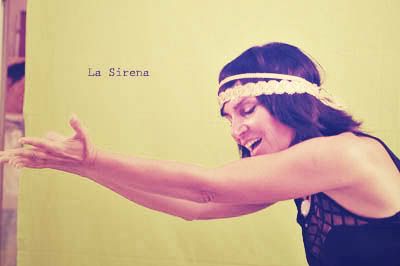
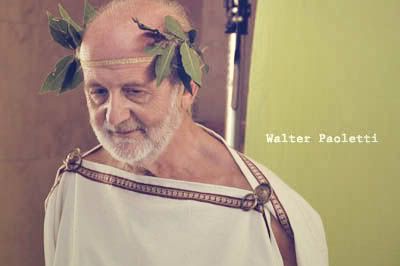
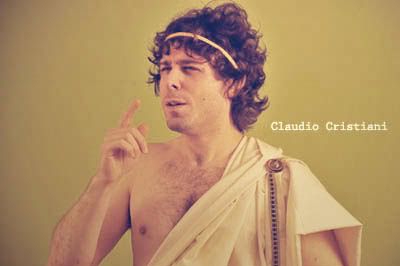
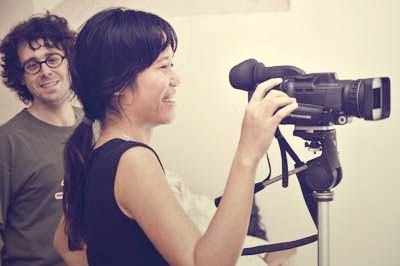
So last week we did a shoot with some friends and members of Atopos portraying significant Greek figures. Using a bright green bedsheet as green screen, and also thanks to Roberto for lending his studio and lights to complete the set - VOILA, a workable production house IN the HOUSE. such a relief, big smiles all around as everyone took turns putting on their togas.

How:
We scheduled a date. Made arrangements. Used some random white fabric, ribbons and canvass as togas and door handles for brooches. Chose which characters to portray, contemplated on it. Came together and birthed the baby!

As Heraclitus says, "Panta Rei"/"Everything Flows", so do we.
Now on to Step 2.

GREECE, SEPTEMBER 2010

after hitchhiking experience Atopos in the Balkans

.. Project Greece 2010


                                              how about connect with us through FLICKR
work by Walter Paoletti for Mare Mostrum


  • 13/09/10 Delphi, the oracle - town of Apollo, the first appearance of 'atopos', the unpredictable

  • 16/09/10 Kythnos, archeological expedition with professor ALEXANDER MAZARAKIS,thanks to google translate you can read about the civilization of Kythnos HERE
the rest-- we'll see!

if you want to learn some greek in the meantime


Sunday, September 5, 2010

Ready or not, here we come

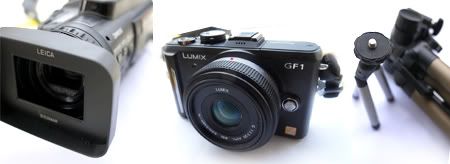
One week more before we leave for Patras and already the gods are calling, "Yoohooo, better pack those bags, charge those batteries and get ready." Theres a load of prep to do. First things first, equipment:
1. Cameras. Video and photo. Hand carry if possible, tripod and handle only if necessary, straps. Mic? yes.
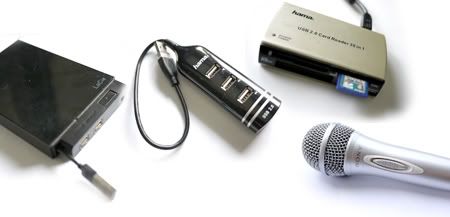
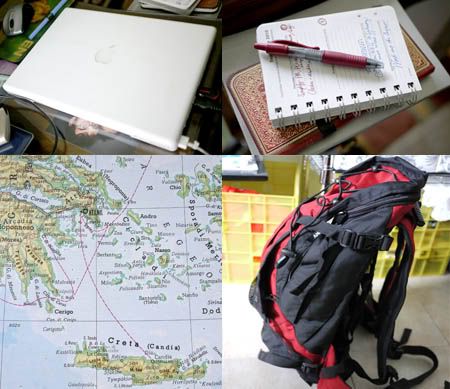
2. Notebook, both. External HDs and USBs + ports. Battery chargers, essential.
3. Travel light. Backpack with waist strap (lest our backs die). Map.

And of course, our healthy and able documentors. (flexing those "muscles")
More videos and articles soon!

Friday, August 20, 2010

The Plan


Seriously, anyone who embarks on a journey without a clear direction other than the vague particulars of a single country is bound to encounter some problems especially when a significant amount of substance is the expected outcome. We are going to Greece for a month this coming September with full trust and surrender to the possibility of spontaneous creative collaboration. This is not Discovery Travel and Living where travel-show hosts have fixed itineraries, fans, and exlcusive 5-star accomodation to the hotel sponsor of choice. Not even a camera-man conveniently following our every move or catching that sweet look on your face while biting into a delicious piece of -who knows? Its all raw, on the spot, and dangerously exciting. Think Alexander the Great + Into The Wild. Ok, not really. But close. So here are some clips/notes and guidelines, our way of putting some order in chaos.

Roughly Put:
So maybe we're extremely low-budget and take comfort in the fact that we do have a return ticket, and basically thats where online communities like WiserEarth, Create Culture, and Couch Surfing play a role in the grand scheme of things. Social networks are exciting and they pose great possibilities PLUS there's blogs and videos and all kinds of media you can use to communicate and educate. Its really crazy when you think of it. People using this new media have moved people and ideas in so many ways, often changing trends and mind-sets. Its powerful. In this case, however, we are specifically interested in experiencing the transition from online correspondence to actual real-time face to face interaction. We ask questions like, is it possible to form real friendships and work on real projects through these new platforms? Will we be able to inspire more interest in art, history, and culture through sharing the outcome of this collaborative experience? Will it also inspire trust and openness with people from other cultures? We shall see.

For The Love of Learning
Curious people always ask questions. We believe that only the inquisitive, who are also the most wondrous and imaginative, can truly make significant change in the world. Nobody gets to be a genius without an interest in knowledge, in exploring the unchartered, the unknown. I quote:
"It takes a lot of courage to release the familiar and seemingly secure, to embrace the new. But there is no real security in what is no longer meaningful. There is more security in the adventurous and exciting, for in movement there is life, and in change there is power." - Alan Cohen
Consider this and consider the ancient Greeks who have birthed philosophy, academy, democracy, olympics, literature, drama, major scientific and mathematical structures, among many other things. Now that is serious "pursuit for knowledge". For us today, looking back through history can provide a refreshing perspective to human potential. Also, theres nothing more enjoyable than being able to share a passion and have somebody else feel inspired to learn even more.
"Its education thats meant to take us into this future that we can't grasp" - Sir Ken Robinson from his inspiring TED talk on creativity

Then and Now
We know for a fact that we aren't the experts on Greece and neither are we graduates of history or professors in any field. Nevertheless, we are happy to be digging into the old history books as well as getting informed on the latest news. While we have established our clear interest in ancient Greece, we are also interested in understanding how Greece is today, its struggles, the people and how they are facing up to the new challenges. What we will be creating in the end will be part reportage and part historical flashback. We both hope to find the strings connecting both past and present and whatever may be that will emerge from this relationship would be a bonus to the adventure already taking place at this very moment.

On that note, we continue to invite others -you- who share our interest and ask for them to contribute their own curiosities and gleanings on ancient and/or contemporary Greece. Consider this as a chance to converse and explore topics that might not have been given a voice in our own individual classrooms or circles. If its true that learning is a life-long activity, why waste a great opportunity to have as much fun while were at it?


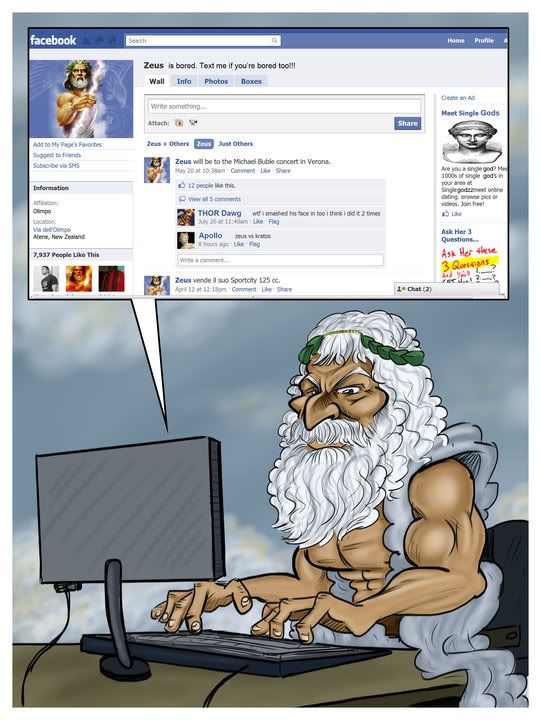
"Zeus updating his facebook!" Illustration by Eddie Renner (Click for larger view)

LinkWithin

Related Posts Plugin for WordPress, Blogger...